
Responsibility defines us
A sincere responsibility to the environment, to each other and to our clients infuses our choices, processes and solutions.
How We Think
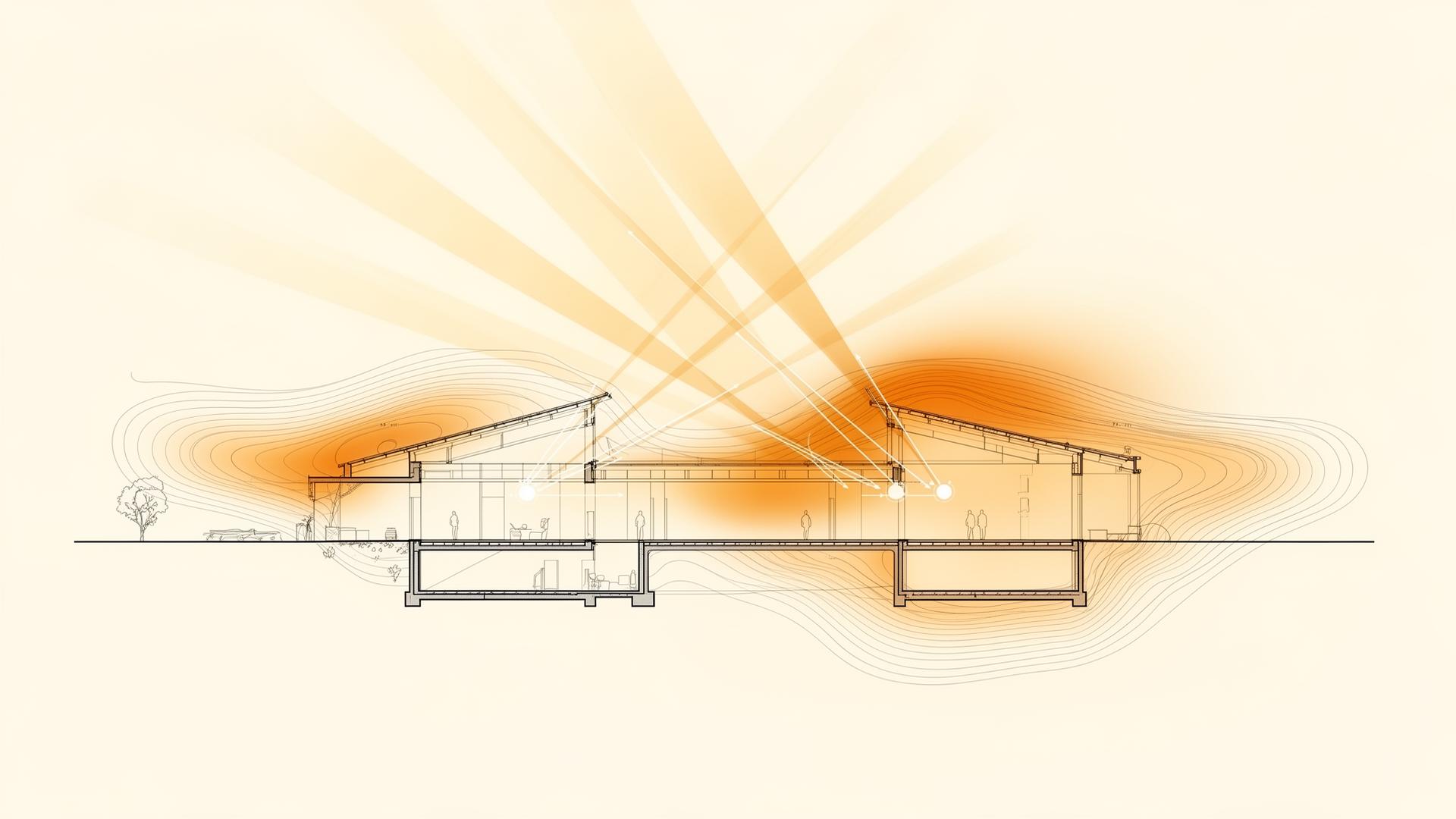
We do not send our co-consultants on wild eco goose chases. Our proposed interventions are researched in-house, often beforehand, in parallel to projects through our R&D activities.
When we propose an idea, it is well founded — supported through quantification and qualification, costed to the same level as the commercial base case.
We eat our vegetables first — orientation, fabric, daylight, ventilation, mass — then layer in the new and intriguing. Plan B is always efficient.
While we have fancy tools and fancy ideas, we make them pragmatic, affordable, buildable and maintainable — mainly through drawing in the rest of the design team.
Our Core Values
A sincere responsibility to the environment, to each other and to our clients infuses our choices, processes and solutions.
We don't see problems — we see challenges we embrace and own. We complement and amplify our clients' visions.
Integrity through robust, transparent process. We make complicated information digestible, understandable and accessible.
Errors are valuable opportunities. Our innovative methodology earns our reputation for boundary-pushing.
Respect, caring and fun. Because making a difference is meaningful, we do as much social outreach as we can.
Sustainability | Performance | Comfort
The Lab
Gooljar, Y. (2015) 'Challenging solar design clichés – solar control strategies', in Proceedings of PLEA 2015: Architecture in (R)evolution, 31st International PLEA Conference on Passive and Low Energy Architecture, Bologna, Italy, 9–11 September. Bologna: PLEA.
Read the paper →
Haw, M.H., Carew, P.J. and Matyeni, J. (2008) '7 Fountains Primary School post-occupancy evaluation', in Proceedings of PLEA 2008: Towards Zero Energy Building, 25th International PLEA Conference on Passive and Low Energy Architecture, Dublin, Ireland, 22–24 October. Dublin: PLEA.
Read the paper →
Carew, P. and Bekker, B. (2009) 'Displacement ventilation and passive cooling strategies', in Proceedings of PLEA 2009: Architecture, Energy and the Occupant's Perspective, 26th International PLEA Conference on Passive and Low Energy Architecture, Quebec City, Canada, 22–24 June. Quebec City: PLEA.
Read the paper →
Bekker, B. and Carew, P. (2010) 'Reducing energy consumption by designing for chiller efficiency', in Proceedings of CLIMA 2010: 10th REHVA World Congress — Sustainable Energy Use in Buildings, Antalya, Turkiye, 9–12 May. Brussels: REHVA.
Read the paper →
Hempe, M. and Mafukuzela, C. (2023) 'Sustainable rural development through generative design', in Proceedings of the UIA World Congress of Architects Copenhagen 2023: Sustainable Futures – Leave No One Behind, Copenhagen, Denmark, 2–6 July. Cham: Springer.
Read the paper →
Gooljar, Y. (2023) 'Computational design: revolutionising the way we work', Positive Impact, 23. Available at: https://positive-impact.africa/computational-design-revolutionising-the-way-we-workcomputational-design/.
Read the article →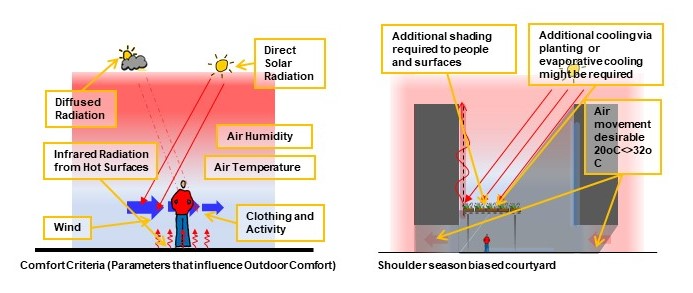
PJC + Partners (2024) 'Outdoor thermal comfort is key to creating vibrant outdoor urban spaces', LinkedIn, 2 July. Available at: https://www.linkedin.com/pulse/outdoor-thermal-comfort-key-creating-vibrant-urban-spaces-kxfqf/.
Read the article →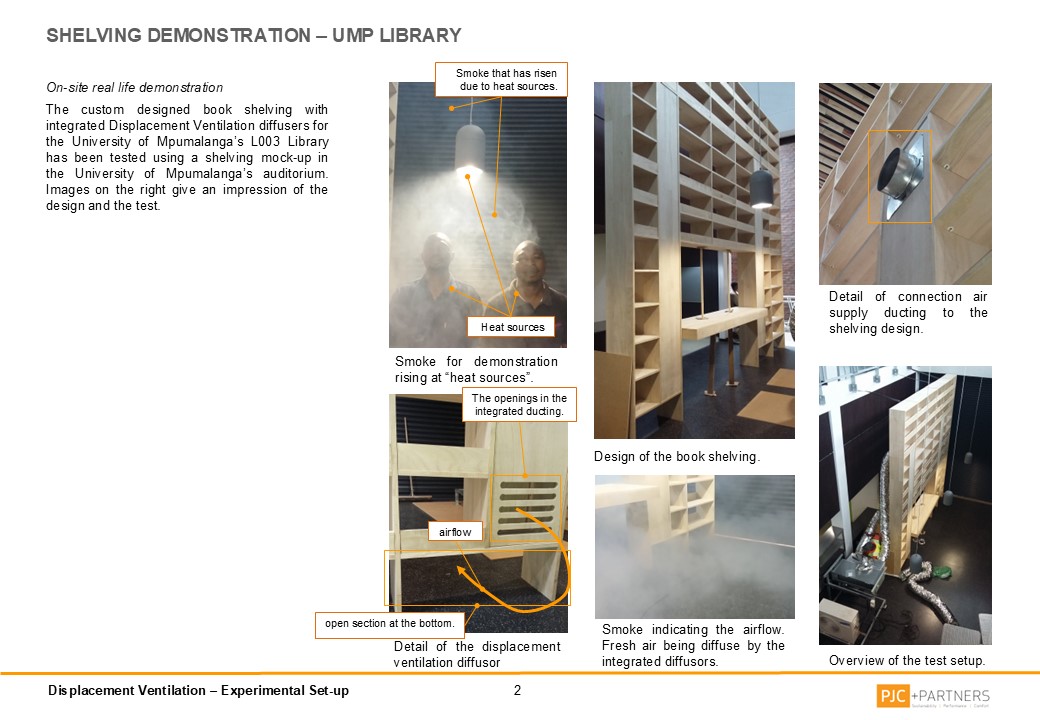
An experimental rig was set up within PJC offices for proof of concept, followed by a mock-up on site at the UMP Library during construction to test the efficacy of the integration of the displacement ventilation outlets into the book shelves. This resulted in a cost reduction, thus making a more efficient cooling system viable for the project, showcasing our integrated design approach.
View study →Methodology
Buildings as integrated systems — fabric, services, occupants, climate and operation modelled together, not in isolated silos.
Design–simulate–refine loops compress what would otherwise be discovered on site into the early design stages.
Façade mock-ups, daylight studies, airflow visualisation and material trials inform decisions before they cost anything to change.
Passive strategies tuned to local micro-climate — solar geometry, prevailing winds, diurnal range — sorted before mechanical kit is sized.
We measure what we design. Meters, sensors and surveys feed back into the next project, so design intent and reality converge.
In a ZAR economy, performance is unlocked through thinking, not spending. Every intervention is costed against a base case.
Recognition

Awarded to Yogesh Gooljar at the Green Building Council South Africa (GBCSA) Convention 2022.
View award →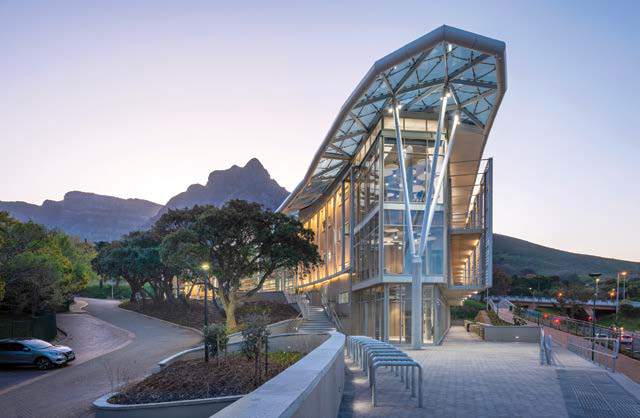
Winner: Hasso Plattner d-school Afrika, University of Cape Town. Accredited professional: Yogesh Gooljar, PJC + Partners. Awarded at the GBCSA 2023 Convention for the Annual Leadership Awards by the Green Building Council South Africa.
View award →
Projects which PJC has been involved with over the years have regularly won an award or have received a commendation at the annual SAPOA awards. Notable highlights are Hasso Plattner d-school Afrika in 2023, Bridgewater in 2022, 117 on Strand in 2020, Parklands College Innovation and Learning Centre in 2020, Sable Park in 2019, 140 West Street in 2018, Sasol Place in 2017, Century City Urban Square in 2017 and more.
View award winners →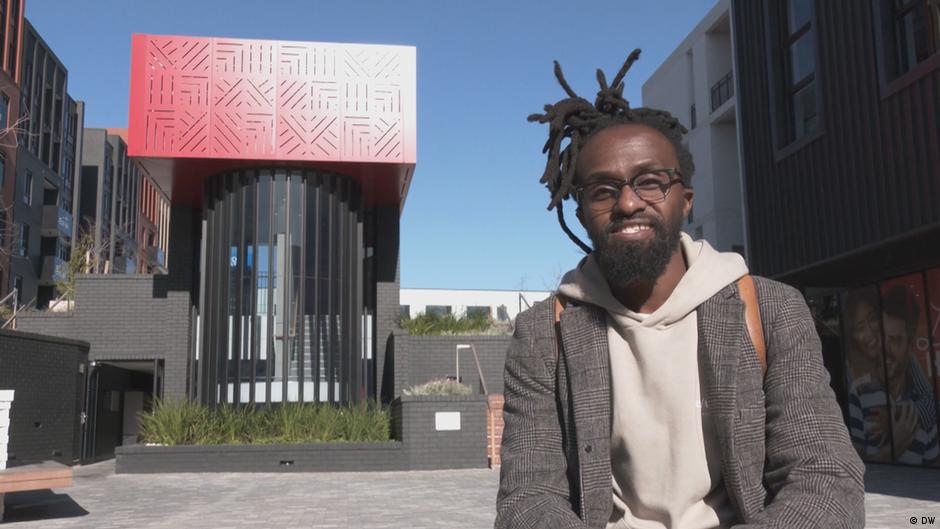
Showcase of PJC Projects led by our very own Mlondolozi Hempe for DW Architecture from Africa. Check out how he views design as a uniform language to be further explored.
Watch the feature →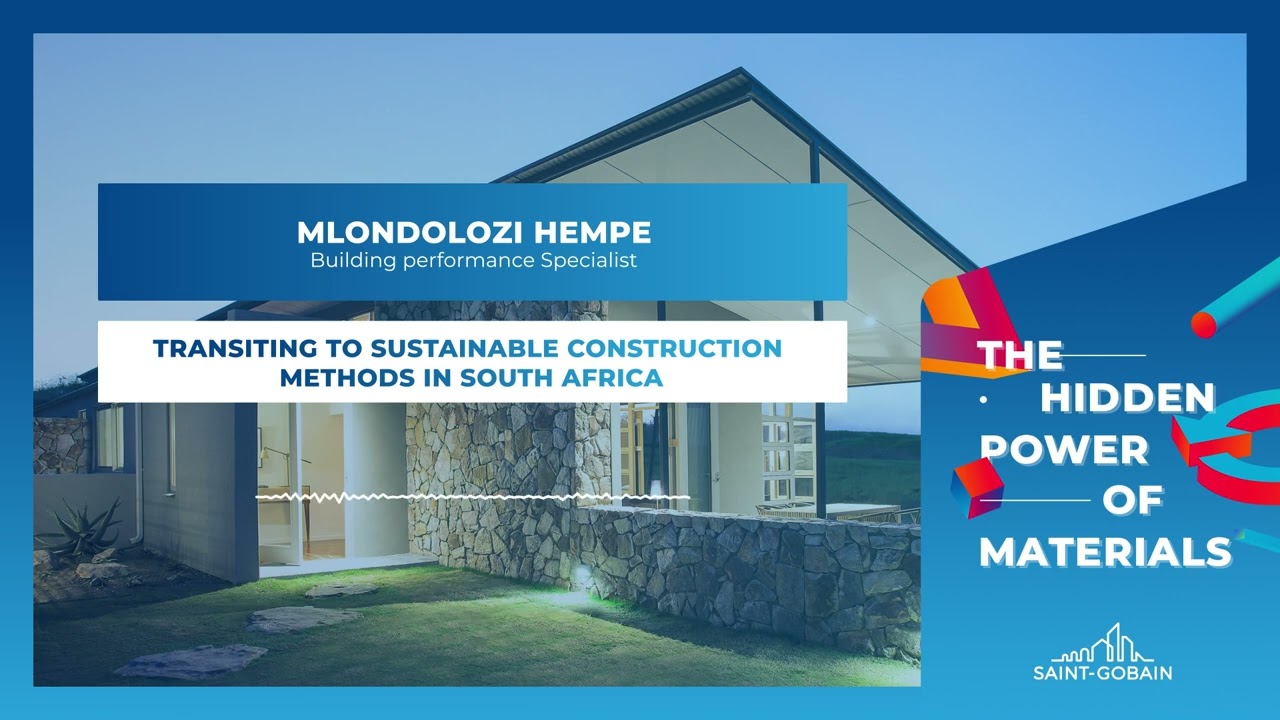
In this season 3 episode, Mlondolozi Hempe is the guest on the The Hidden Power Of Materials podcast series to speak about "Transiting to sustainable construction methods in South Africa".
Watch the podcast →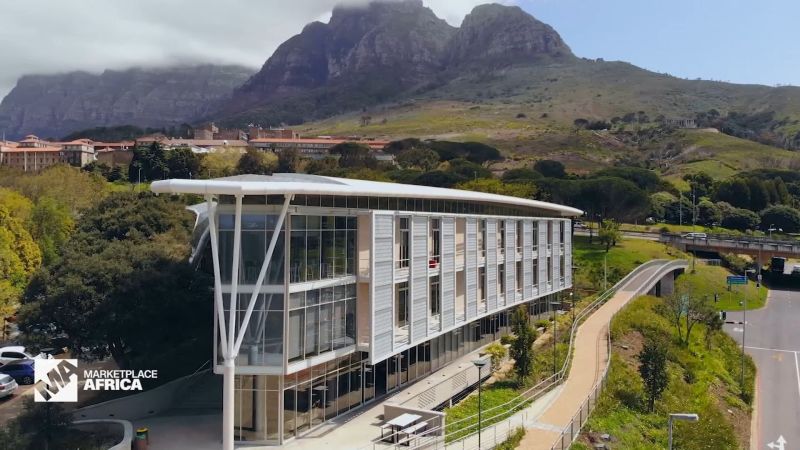
Two of PJC's Green Star rated buildings were featured on CNN, in a report exploring green building gaining momentum in Africa
Watch the feature →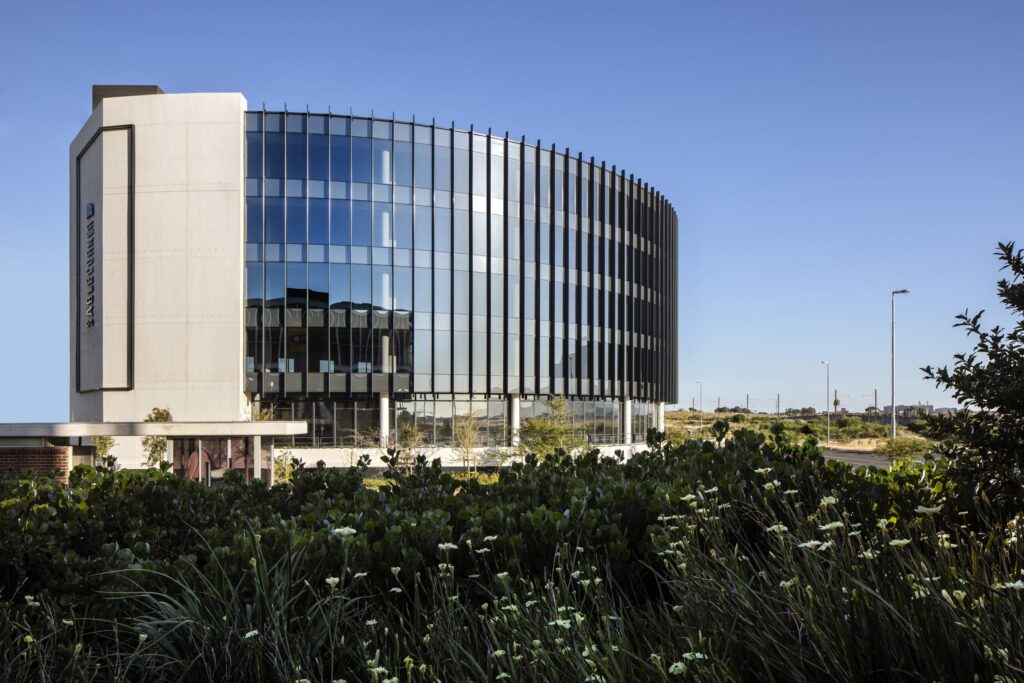
Developed by Rabie Property Group and designed by dhk Architects, Sable Corner is a contemporary commercial development situated in thriving Bridgeways Precinct in Century City, Cape Town.
Read the article →